Get Residential Air Testing in Denver, CO
Residential air testing services for Denver homeowners identify indoor air quality issues, mold, allergens, and pollutants through inspections conducted by local professionals.
Residential air testing services provide property owners in Denver, CO with valuable insights into indoor air quality and potential issues within their homes. These evaluations help identify hidden sources of pollutants, humidity problems, or mold growth that can impact overall comfort and safety. By detecting these concerns early, homeowners can address them promptly, ensuring their living spaces remain healthy and functional.
The benefits of professional air testing extend beyond safety, often contributing to increased durability and reduced maintenance needs for a home. When indoor air quality is monitored and maintained, it can enhance curb appeal by promoting a cleaner, more inviting environment. Property owners seeking to improve comfort, safeguard their investment, and maintain a well-functioning living space often find residential air testing to be a practical step toward achieving those goals.
- Indoor Air Quality Testing - homeowners may need testing to identify pollutants or allergens affecting indoor air quality.
- Mold Air Testing - property owners might require testing after water damage or visible mold growth is suspected.
- Ventilation System Testing - residents seeking to improve airflow and reduce indoor contaminants often opt for ventilation assessments.
- Radon Testing - individuals in areas with elevated radon levels may pursue testing to assess indoor radon concentrations.
- Air Purity Testing - those looking to verify the effectiveness of air purification systems may request professional air testing services.

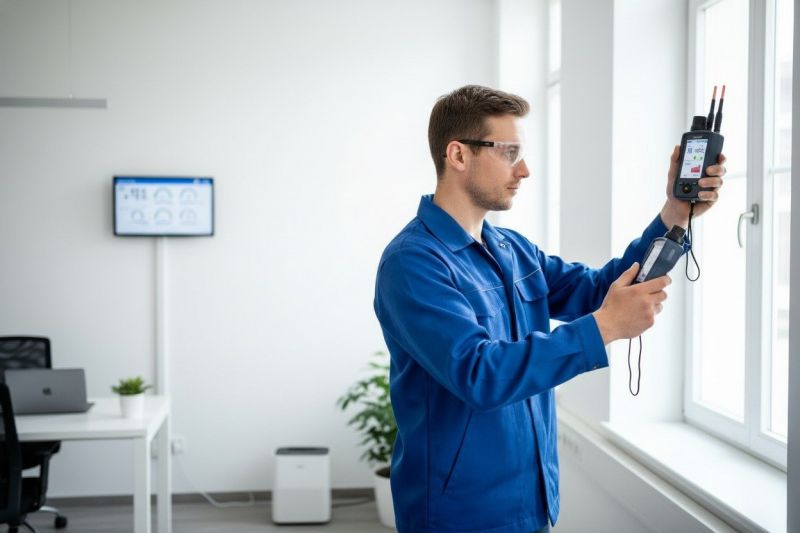
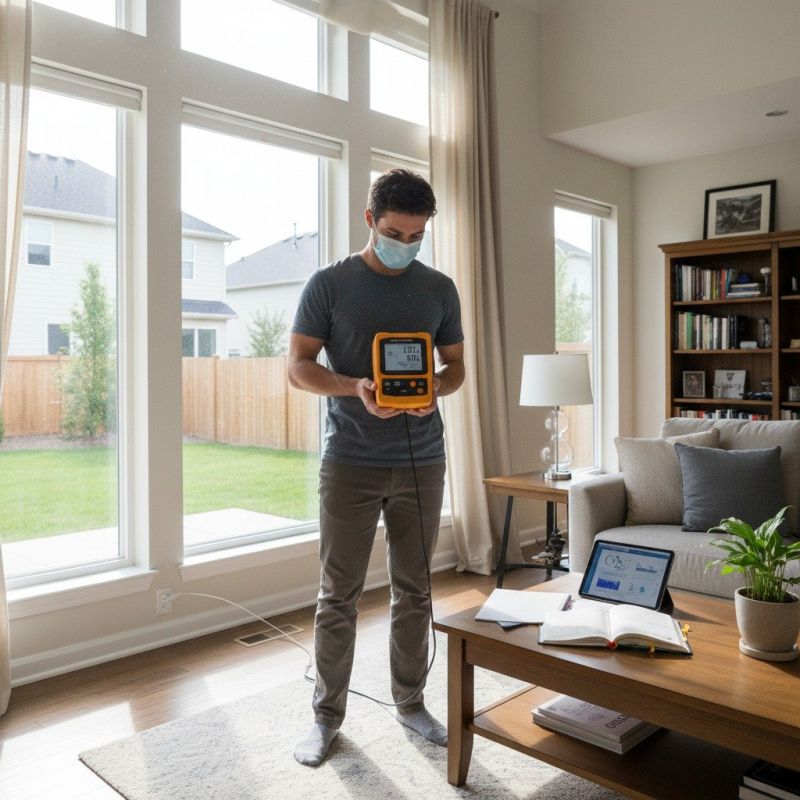
Residential air testing services involve assessing the quality of the air within a home to identify potential issues that could impact indoor air quality. These services typically include sampling the air for common contaminants such as mold spores, volatile organic compounds (VOCs), allergens, and other airborne pollutants. The testing process often involves specialized equipment to collect air samples, which are then analyzed to determine the presence and concentration of various substances. This helps homeowners and property managers understand the air they breathe and identify any underlying problems that may require attention.
These testing services are particularly valuable in diagnosing indoor air quality problems that may not be immediately visible or detectable through visual inspection alone. Common issues addressed through air testing include mold growth, poor ventilation, chemical off-gassing from building materials or furnishings, and allergen buildup. Identifying these problems early can prevent health issues, reduce discomfort, and improve overall living conditions. In cases of persistent odors, unexplained respiratory symptoms, or recent renovations, air testing can provide clarity and guide effective remediation strategies.
Residential properties that often utilize air testing services include single-family homes, multi-unit apartment buildings, condominiums, and townhouses. Older homes with outdated insulation or ventilation systems are frequently tested to uncover hidden mold or pollutants. Newly constructed or renovated residences may also undergo testing to ensure that construction materials and finishes are not releasing harmful substances into the indoor environment. Additionally, properties experiencing ongoing moisture problems or suspected mold infestations benefit from air testing to confirm the presence and extent of contamination.
Overall, residential air testing services serve as a proactive approach to maintaining healthy indoor environments. By identifying airborne pollutants and sources of contamination, homeowners can make informed decisions about necessary repairs or improvements. Connecting with local service providers ensures that testing is performed accurately and efficiently, supporting efforts to create safer, healthier living spaces.
The overview below groups typical Residential Air Testing projects into broad ranges so you can see how smaller, mid-sized, and larger jobs often compare in Denver, CO.
In many markets, a large share of routine jobs stays in the lower and middle ranges, while only a smaller percentage of projects moves into the highest bands when the work is more complex or site conditions are harder than average.
Initial Testing Costs - The cost for basic residential air testing typically ranges from $200 to $500, depending on the size of the home and the complexity of the testing required. For example, a standard single-family home may fall toward the lower end of this range.
Comprehensive Testing Services - More detailed testing, including multiple sample points and advanced analysis, can cost between $500 and $1,200. Larger or multi-story homes often incur higher expenses within this range.
Additional Sampling or Analysis - If additional samples or specialized analysis are needed, costs can increase by $100 to $300 per sample. These expenses vary based on the scope of testing and the specific contaminants being assessed.
Inspection and Report Fees - Some providers include inspection and reporting in their base price, while others charge separately, typically adding $150 to $400 for detailed reports and consultation. The total cost depends on the extent of testing and reporting services selected.
Actual totals will depend on details like access to the work area, the scope of the project, and the materials selected, so use these as general starting points rather than exact figures.
Residential Air Testing services help identify indoor air quality issues that may affect health and comfort. Local service providers can conduct thorough testing to detect pollutants, allergens, and other airborne contaminants.
HVAC System Testing evaluates the performance and efficiency of heating and cooling systems to ensure proper airflow and ventilation within homes. Professionals can recommend solutions based on testing results.
Indoor Air Quality Assessments involve comprehensive evaluations of air quality levels in residential spaces, identifying sources of pollution and potential health risks. Local experts can provide tailored testing services.
Ventilation System Testing ensures that ventilation systems are functioning correctly to maintain healthy indoor air exchange. Service providers can verify system effectiveness and suggest improvements if needed.
Mold and Mildew Air Testing detects the presence of mold spores and mildew in indoor air, which can impact health and property. Local specialists can perform targeted testing to identify contamination sources.
Radon Testing Services measure radon levels in residential environments to assess potential health risks. Qualified providers can conduct accurate testing and advise on mitigation options if necessary.
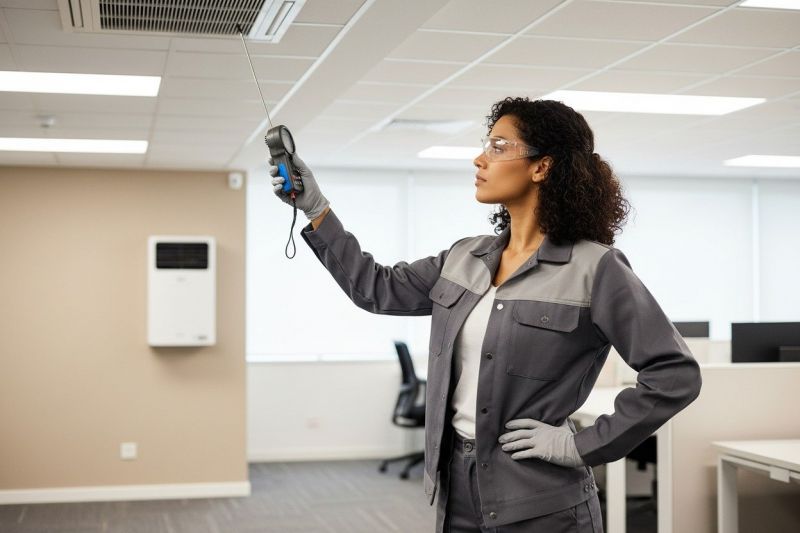
When evaluating residential air testing service providers, experience is a key factor to consider. Homeowners should look for local professionals who have a proven track record in conducting thorough and accurate air quality assessments. A well-established provider will typically have a history of serving the community, demonstrating familiarity with common issues and regional considerations. This experience can help ensure that the testing process is comprehensive and tailored to the specific needs of the home and its environment.
Clear communication and well-defined expectations are vital when working with local air testing providers. Reputable professionals will provide written explanations of the testing procedures, what homeowners can expect during the process, and how the results will be delivered. This transparency helps homeowners understand the scope of the service and any follow-up steps that may be necessary. Additionally, a provider’s ability to answer questions and clarify concerns contributes to a smoother experience and fosters trust.
Reputable references and strong community standing are important indicators of a reliable air testing service. Homeowners are encouraged to seek out local providers with positive feedback from previous clients, which can often be verified through references or reviews. Good communication throughout the process, from initial contact to follow-up, also reflects a professional approach. It’s important to remember that the information below introduces local options and is not the contractor performing the work, but connecting homeowners with qualified service providers who meet these criteria can help ensure a positive and effective testing experience.
Property owners in Denver, CO use Residential Air Testing services for practical projects around their homes and businesses. The sections below highlight everyday jobs and straightforward project options.
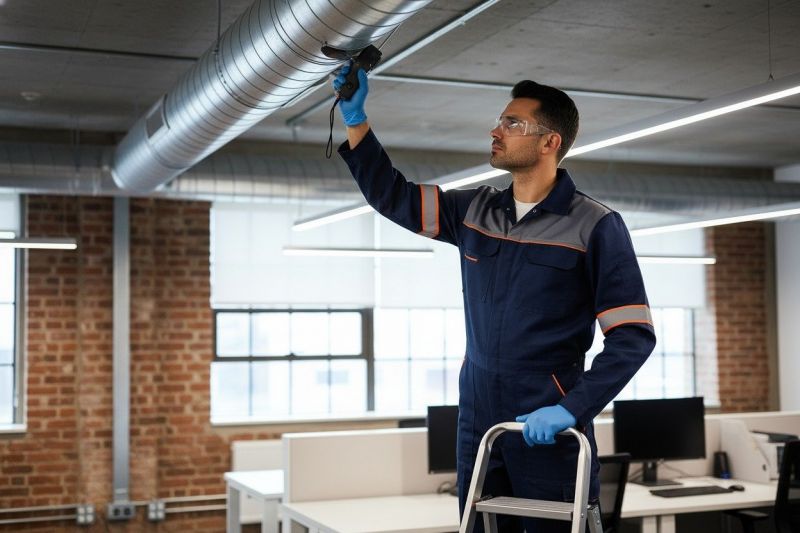
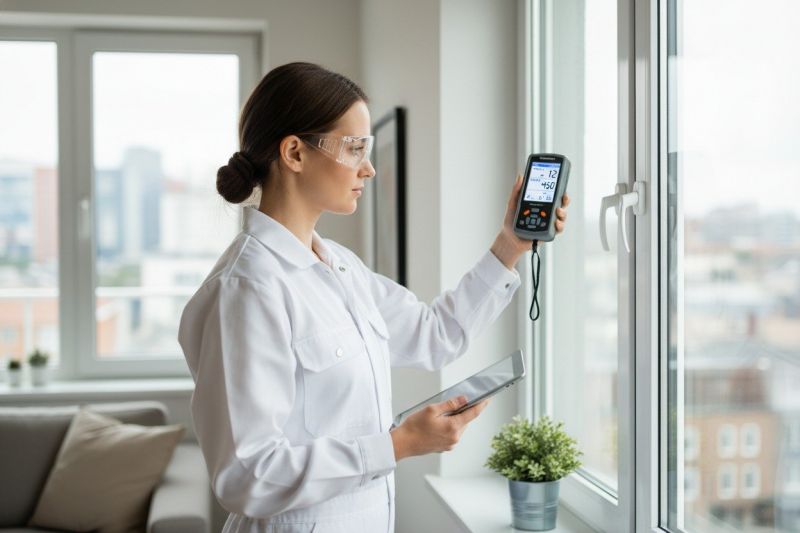
Residential air testing services are often sought by property owners in Denver, CO who want to ensure the air quality inside their homes. Common situations include detecting the presence of mold, allergens, or airborne pollutants that can affect health and comfort. Homeowners may also consider testing after renovations or water damage to identify potential issues that could impact indoor air quality or safety.
Additionally, residents might pursue air testing when experiencing symptoms such as allergies, respiratory problems, or unexplained odors. Property owners seeking to maintain a healthy living environment or prepare their homes for sale may contact local service providers to assess indoor air conditions. These testing services help identify concerns that could require further action or remediation.
What is residential air testing? Residential air testing involves evaluating indoor air quality by measuring levels of pollutants, allergens, or contaminants to identify potential issues within a home environment.
Why should homeowners consider air testing? Homeowners may consider air testing to detect indoor air problems, improve air quality, or address concerns about allergies, asthma, or indoor pollutants.
How is residential air testing performed? Local service providers typically use specialized equipment to collect air samples and analyze pollutant levels within the home to assess air quality.
What types of pollutants can air testing detect? Air testing can identify a range of substances including mold spores, volatile organic compounds (VOCs), dust, allergens, and other airborne contaminants.
How can I find local professionals for air testing? To connect with qualified local service providers for residential air testing, contact a trusted home inspection or air quality specialist in the Denver, CO area.
Indoor Air Quality Testing - Local professionals can assess indoor air quality to identify potential pollutants or allergens affecting health and comfort.
VOC and Chemical Level Testing - Experts offer testing services to detect volatile organic compounds and other chemicals that may be present in residential indoor environments.
Humidity and Mold Testing - Service providers can evaluate moisture levels and identify mold growth to help maintain a healthy indoor atmosphere.
Air Sampling and Analysis - Qualified technicians perform air sampling to measure pollutant levels and provide insights for improving indoor air conditions.
Considering Residential Air Testing for a property in Denver, CO? The sections above highlight common project types, practical options, and details that often shape the scope of work.
When you are ready, use the quote form to share a few details about your project. Local pros can review the basics and respond with options that match what you have in mind.